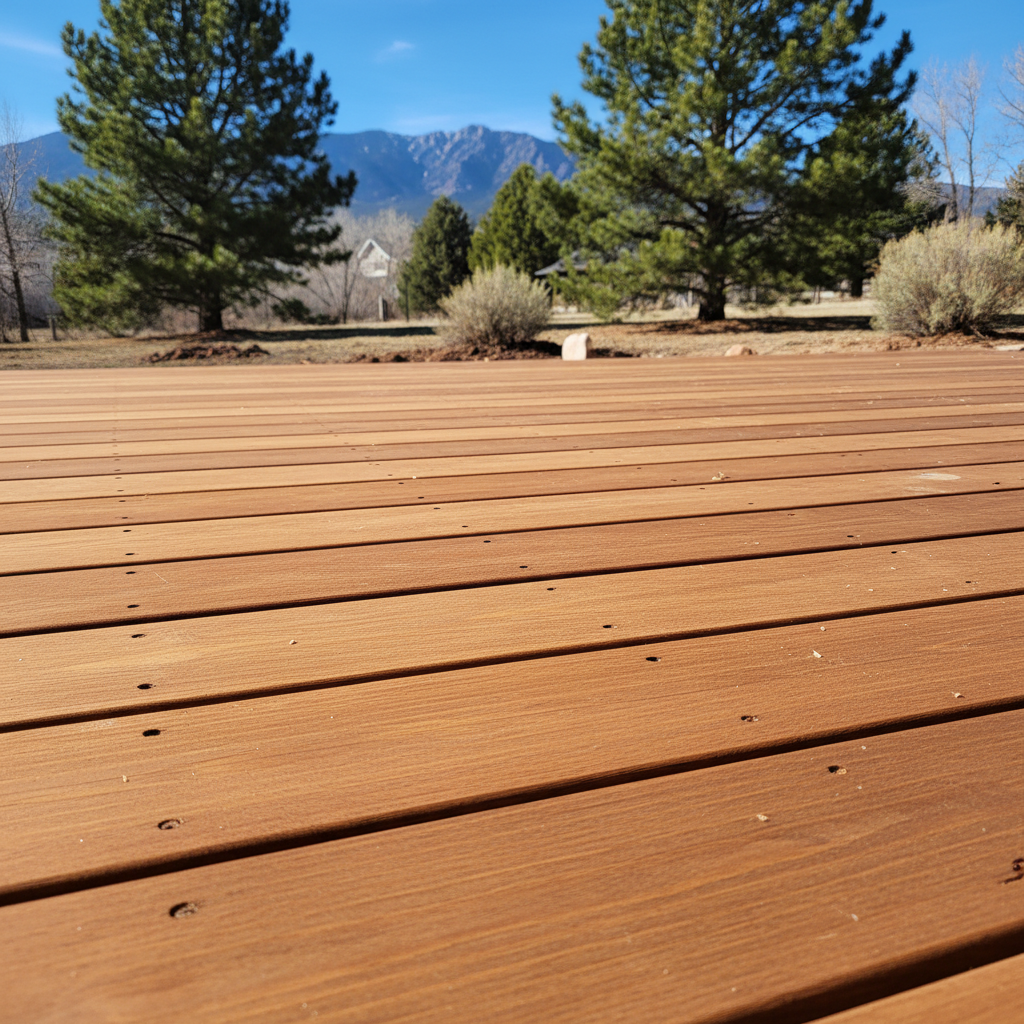
Alright, let's talk deck repair. I've been building and fixing decks around Boulder for years, and believe me, I've seen just about everything. From sun-baked boards in the Newlands to frost-heaved footings in South Boulder, our climate really puts decks through their paces. Homeowners often hit me with the same questions, so I figured I'd lay out some honest answers. This isn't marketing fluff; it's what I tell my neighbors, actually.
How do I know if my deck needs repair or a full replacement?
This is probably the most common question I get. It really boils down to a few things: how old your deck is, how bad the damage is, and whether the main structure is still sound. If you've got a few warped boards, some loose railings, or a bit of faded stain, that's usually repair territory. We can swap out boards, reinforce railings, and get it looking good again. But if your deck is 20+ years old, the main support beams are rotting, the ledger board (that's the one attaching to your house, by the way) is pulling away, or the footings are crumbling, you're likely looking at a replacement. I've seen too many folks try to patch up a fundamentally unsound structure, and it just doesn't last. Safety is key; if it feels spongy or unstable, it's time for a serious look.
What are the most common deck problems you see in Boulder?
Our weather here in Boulder is beautiful, no doubt, but it's tough on decks. I see a lot of sun damage – faded, cracked, and splintered boards from that intense Colorado sun, especially on south-facing decks. Then there's the freeze-thaw cycle, which can really mess with fasteners, cause wood to expand and contract, and lead to rot if water gets trapped. Loose railings are also super common, often from kids leaning on them or just general wear and tear. And don't forget about our dry climate; it can cause wood to shrink and pull away from fasteners, leading to squeaks and wobbles. We also deal with a fair amount of shifting soil, particularly in areas with clay, which can sometimes impact footings over many years.
Can I just replace a few rotten deck boards myself?
You absolutely can, if you're handy and know what you're doing. For surface boards (decking), it's a pretty straightforward job if you have the right tools – a circular saw, drill, and some good exterior screws. The trick is making sure the new boards match the old ones in material and thickness, and that you're cutting them to fit snugly. However, if the rot goes deeper – into joists or beams – that's when you should probably call a pro. Those are structural components, and if you mess those up, you're compromising the whole deck's safety. Also, make sure you're using the right kind of treated lumber for any replacements to prevent future rot.
My deck railing is wobbly. Is that a big deal, and how do you fix it?
Yes, it's a big deal! A wobbly railing is a safety hazard, plain and simple. People lean on railings, kids grab them, and if it gives way, someone could get seriously hurt. How we fix it depends on why it's wobbly. Sometimes it's just loose bolts or screws that need tightening or replacing with longer, stronger ones. Other times, the posts themselves might be rotted at the base where they meet the deck surface, or the blocking underneath isn't secure. In those cases, we might need to remove a few deck boards, reinforce the post connection with new blocking and through-bolts, or even replace the post entirely. Don't ignore a wobbly railing; it's one of those things you want to get fixed ASAP.
How long does a typical deck repair take?
That's like asking how long a piece of string is, right? It really depends on the scope of work. Replacing a few deck boards or tightening some railings might only take a few hours. A more extensive repair, like replacing several joists, rebuilding a section of stairs, or reinforcing a ledger board, could take a few days. If we're talking about a major overhaul where we're essentially rebuilding half the deck, that could stretch into a week or more. When you call Primetime Decks Boulder, we'll come out, assess the damage, and give you a realistic timeline along with a clear estimate.
Is it worth repairing an older deck, or should I just build new?
This is the big question. My rule of thumb is this: if the foundation, frame (joists and beams), and ledger board are solid, then repair is often a cost-effective option. You can replace decking, railings, and stairs, and essentially give your deck a new lease on life for significantly less than a full rebuild. However, if those core structural elements are compromised – rot in the main beams, severely damaged footings, or a failing ledger board – then you're throwing good money after bad trying to repair it. A new deck will be safer, last longer, and often be more cost-effective in the long run. I'll always give you my honest assessment and tell you if I think a repair will truly solve your problems or just kick the can down the road.